

Flagstone Patio Cleaning & Refinishing in San Rafael, CA
Outdoor flagstone can be one of the most attractive natural stone surfaces around a Northern California home, but years of moisture, organic growth, dirt, weather exposure, and old sealer can leave a patio looking dramatically different from the stone that was originally installed.
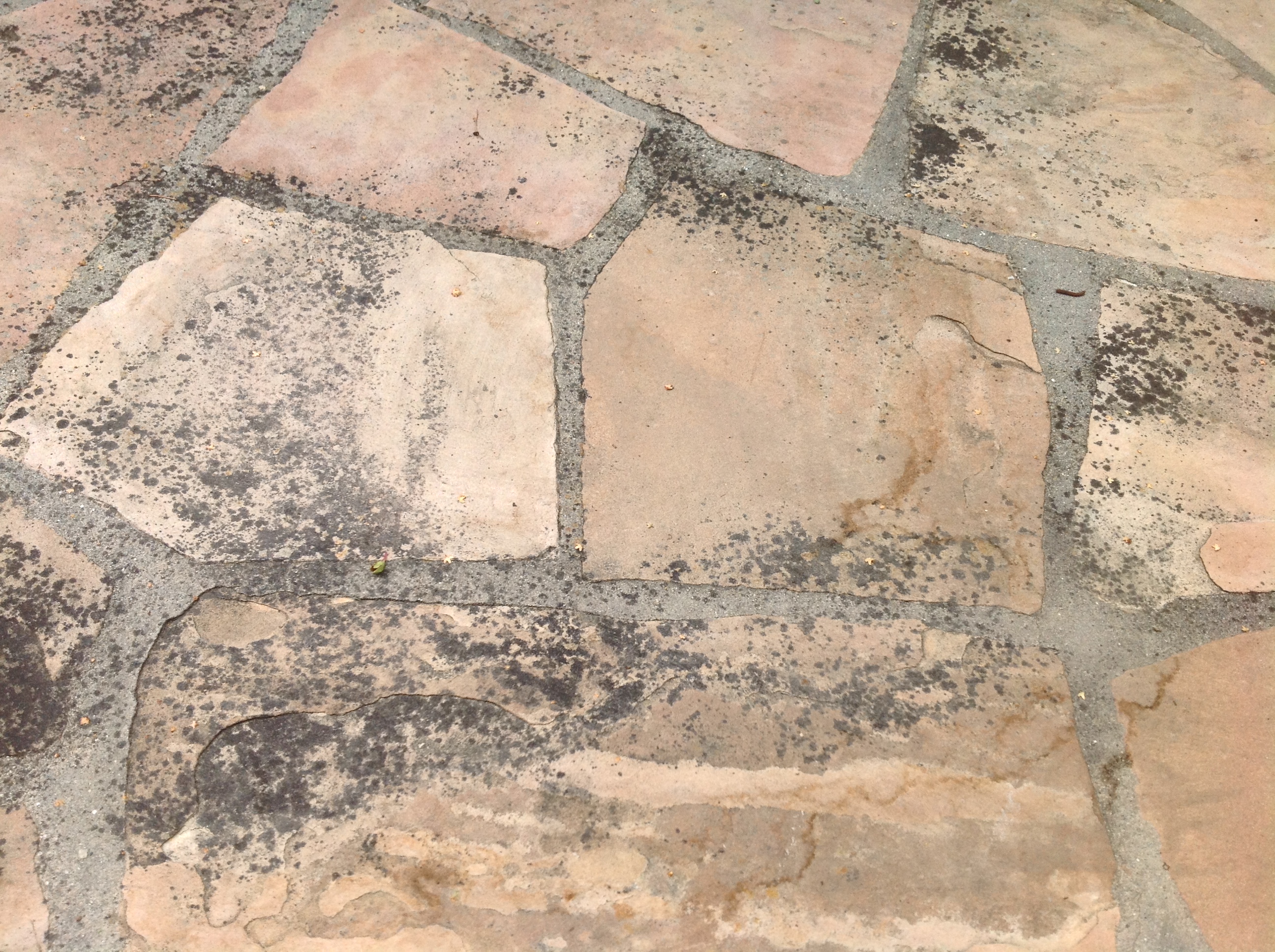
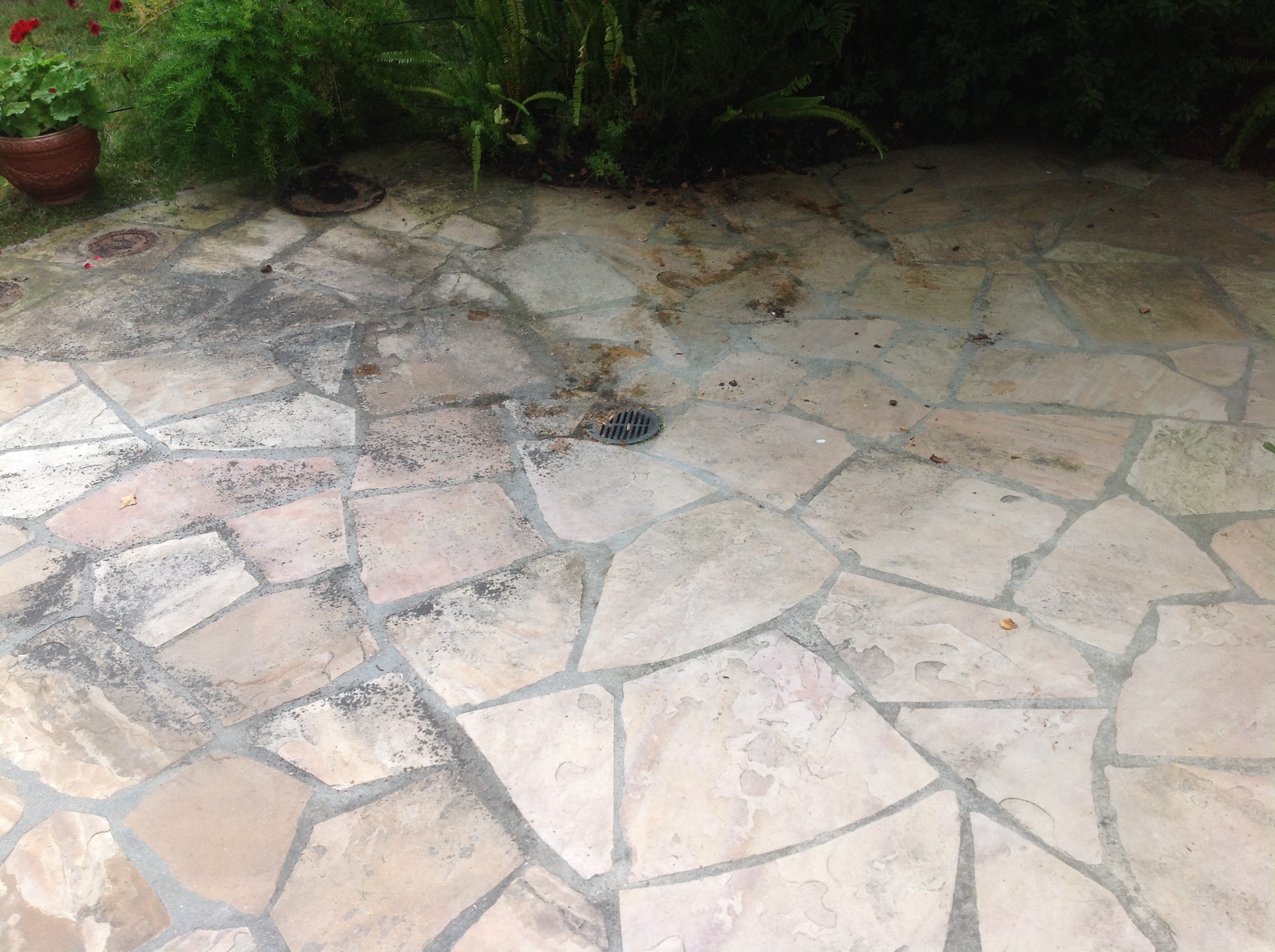
This multi-colored, irregular flagstone patio was located in the Glenwood area of San Rafael in Marin County. When we arrived, the stone had become dark, dirty, discolored, and covered in areas of algae and organic growth. There was also an existing sealer on the patio that the homeowner did not even know was there because it had been inherited with the purchase of the home.
Instead of covering the problem with another coating, we removed the failing finish, thoroughly cleaned the stone and grout, and applied a color-enhancing penetrating sealer that brought the natural character of the flagstone back to life.
If your outdoor stone has become dull, dirty, discolored, or difficult to maintain, learn more about our professional stone and marble restoration services throughout Marin County, the Bay Area, and Northern California.
What Happened to This San Rafael Flagstone Patio?
Exterior stone is constantly exposed to conditions that indoor flooring never sees. Rain, irrigation, shade, dirt, leaves, moisture, and changing temperatures all affect how a patio looks and ages.
On this project, the combination of accumulated dirt, biological growth, and an older existing sealer left the flagstone looking dark and uneven. The natural reds, browns, golds, and earth tones in the stone were barely visible beneath the buildup.


See the Flagstone Restoration Process
This video shows the project and gives you a closer look at the condition of the patio and the restoration process.
Step 1: Removing the Existing Flagstone Sealer
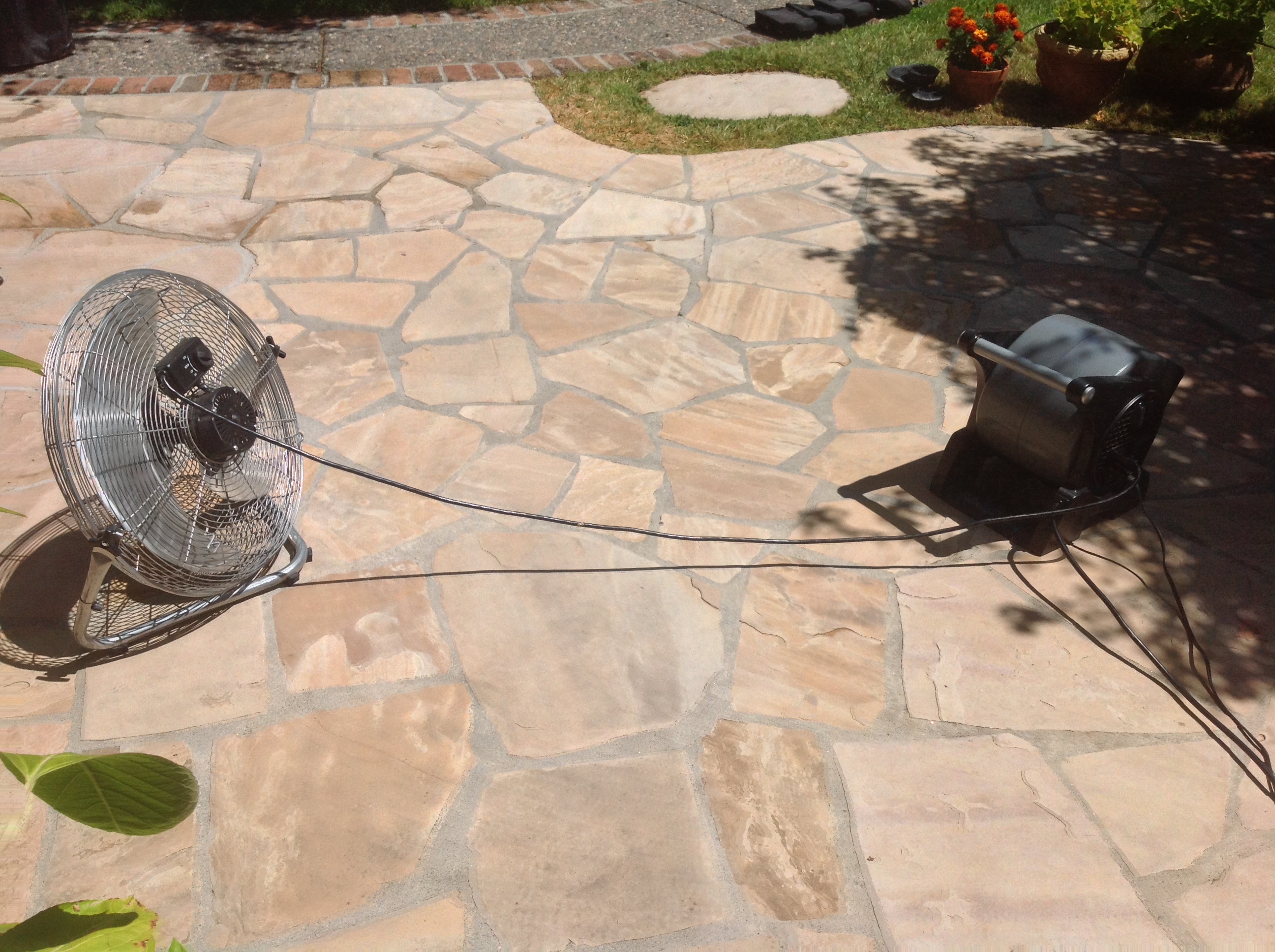
The first major step was removing the old sealer that had already been applied to the patio. The homeowner was not aware that a coating was present, which is common when someone purchases a home with an older stone installation.
Before natural stone can be properly refinished, it is important to understand what is already on the surface. Applying a new product over a deteriorated or incompatible finish can create uneven color, poor bonding, cloudiness, or other problems.
Our tile cleaning and sealer stripping services include detailed removal of failed coatings when necessary so the underlying stone can actually be cleaned and prepared for the appropriate new finish.

Step 2: Deep Cleaning the Flagstone and Grout
After the old finish was removed, we thoroughly cleaned the flagstone and grout to address the remaining dirt, algae, and organic buildup.
For this particular project, Fritz used an acid-based cleaning process appropriate for the stone and the conditions he was treating. This was part of a professional restoration process, not a recommendation to apply household acids or strong chemicals to flagstone without first knowing how the stone, grout, and existing coatings will react.
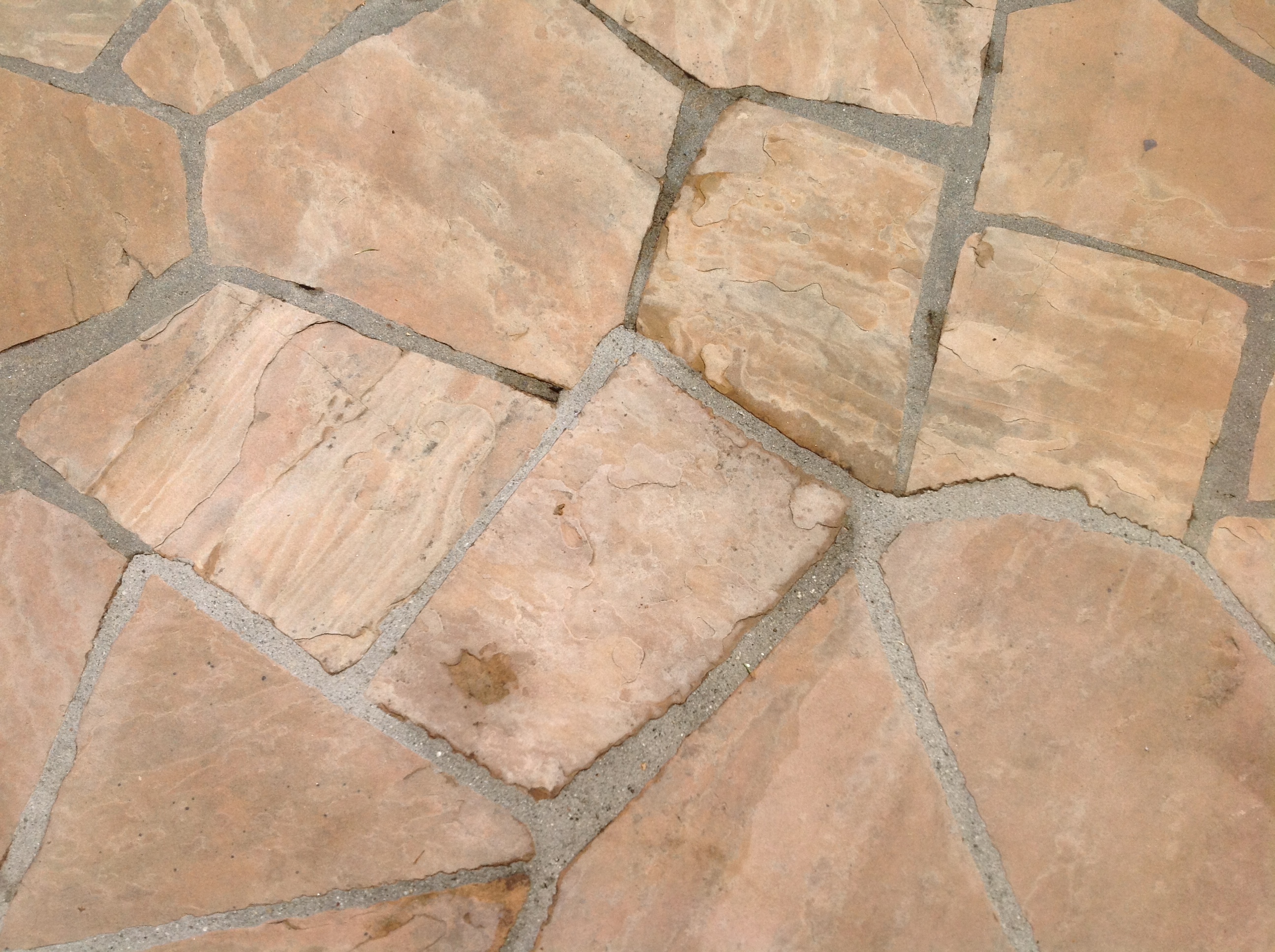
The cleaning removed the vast majority of the visible biological growth and allowed the original character of the natural stone to become much more apparent.
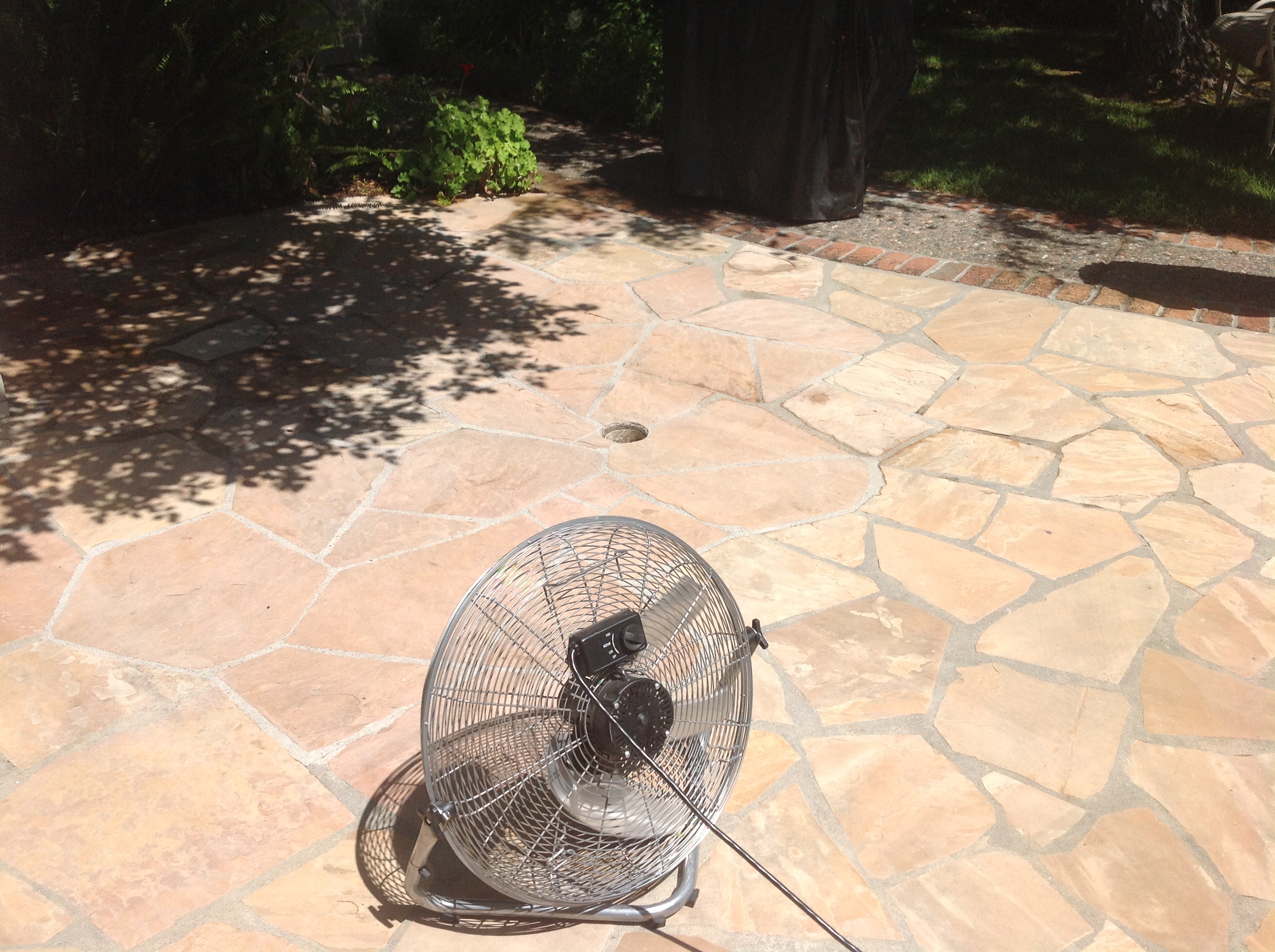
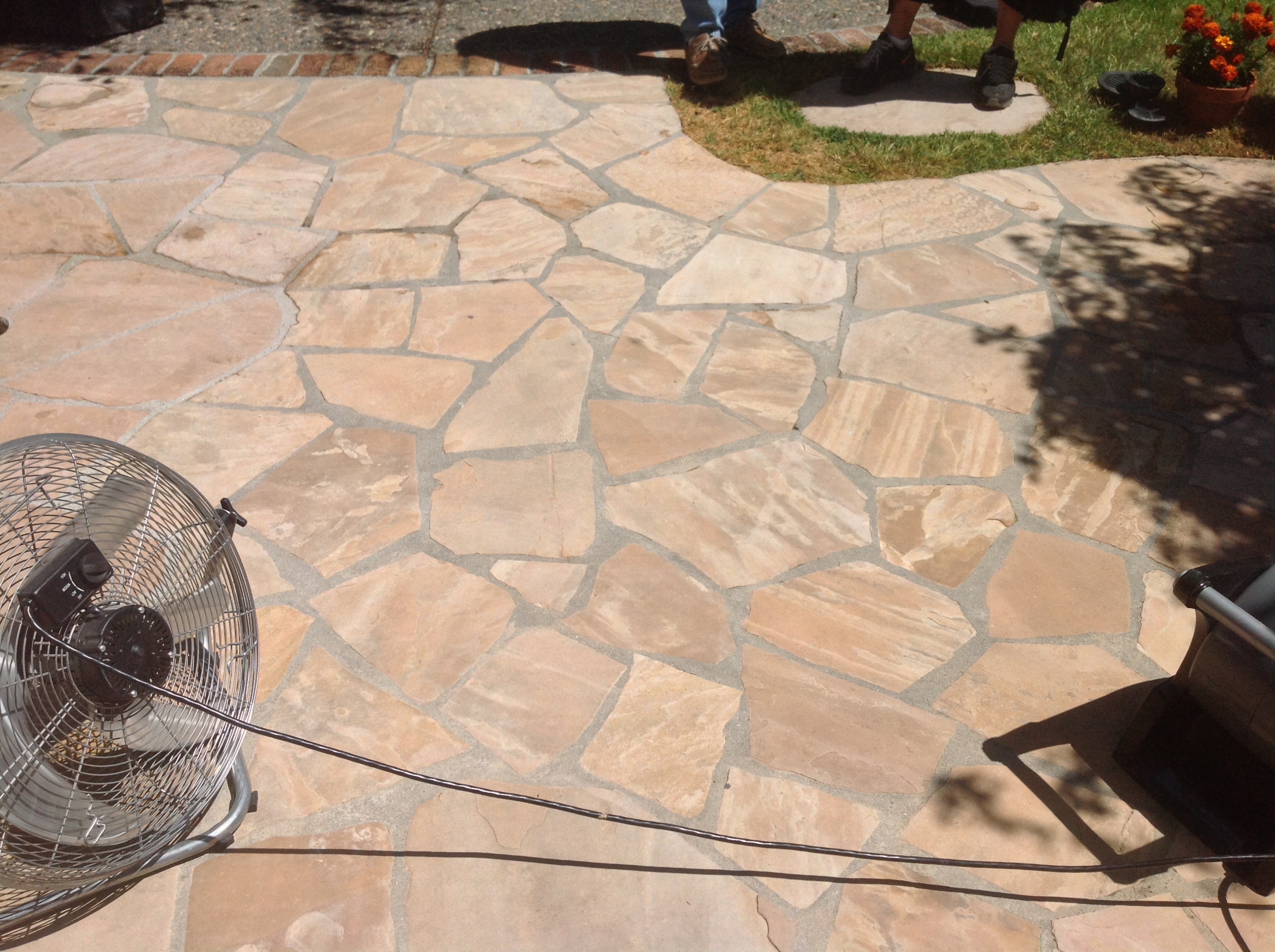
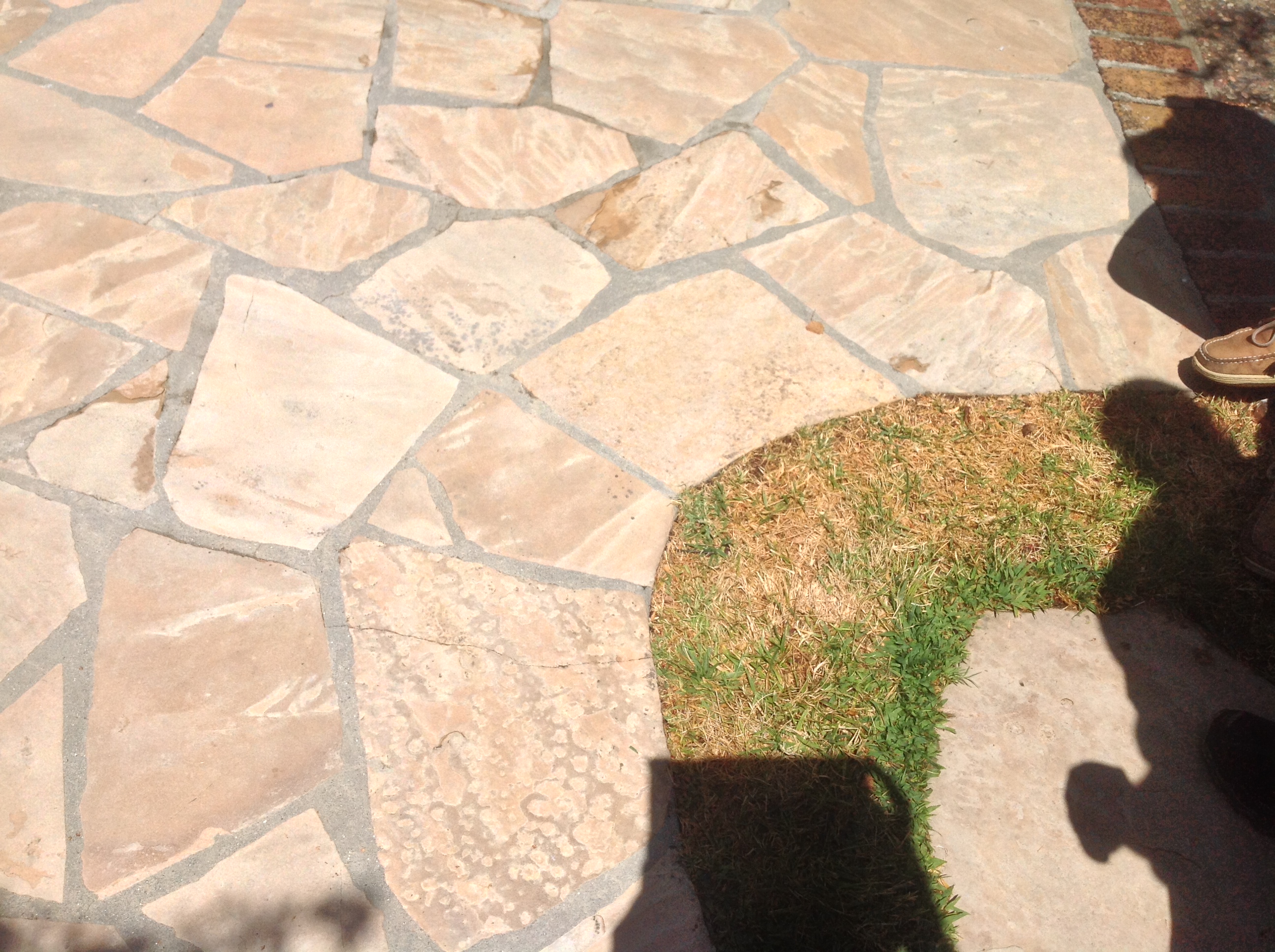
Why Aggressive Pressure Washing Is Not Always the Answer
When homeowners see an outdoor patio covered with algae or discoloration, a pressure washer is often the first tool that comes to mind. The problem is that irregular and porous stone can react differently depending on its condition, the pressure being used, the nozzle distance, and the existing finish.
Too much pressure can alter softer surfaces, while excessive water can saturate porous stone and extend drying time. That is one reason we prefer to evaluate the material and existing finish before deciding how a patio should be restored.
Fritz explains more about those risks in our guide to why cleaning machines and aggressive methods can damage tile and natural stone.
Step 3: Enhancing and Sealing the Natural Flagstone
After cleaning, the stone was dramatically improved, but its natural colors still looked flatter than we wanted. We applied multiple coats of a color-enhancing penetrating sealer appropriate for the project.
A color enhancer can deepen the natural reds, browns, golds, grays, and other tones within flagstone while a penetrating sealer helps reduce moisture and contaminant absorption. Unlike a heavy topical coating, the protection is designed to work within the porous material rather than simply sitting as a thick layer on top.
No sealer makes outdoor stone maintenance-free or completely waterproof, but the right system can make the surface easier to maintain and help protect the stone from normal exposure.
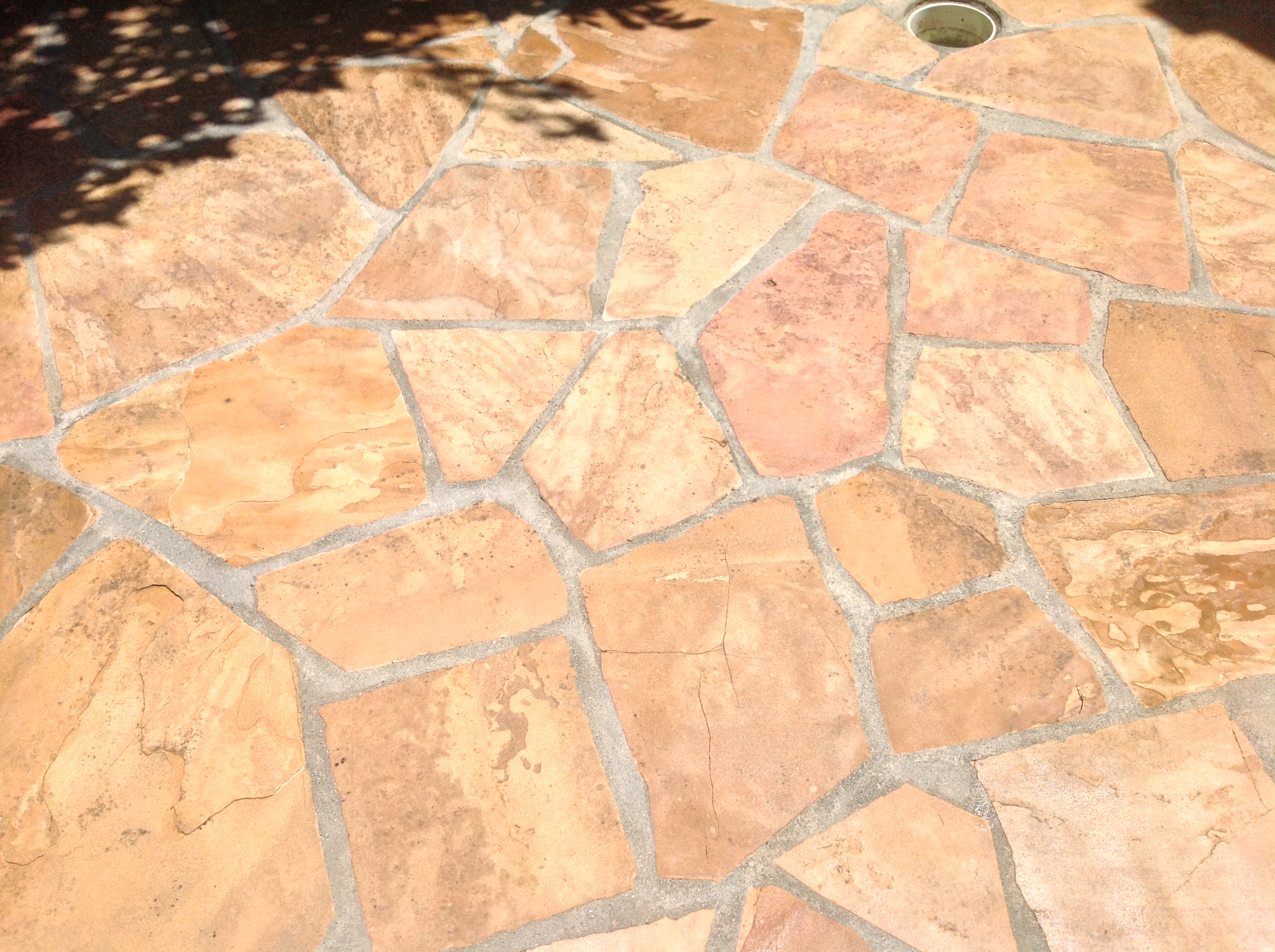
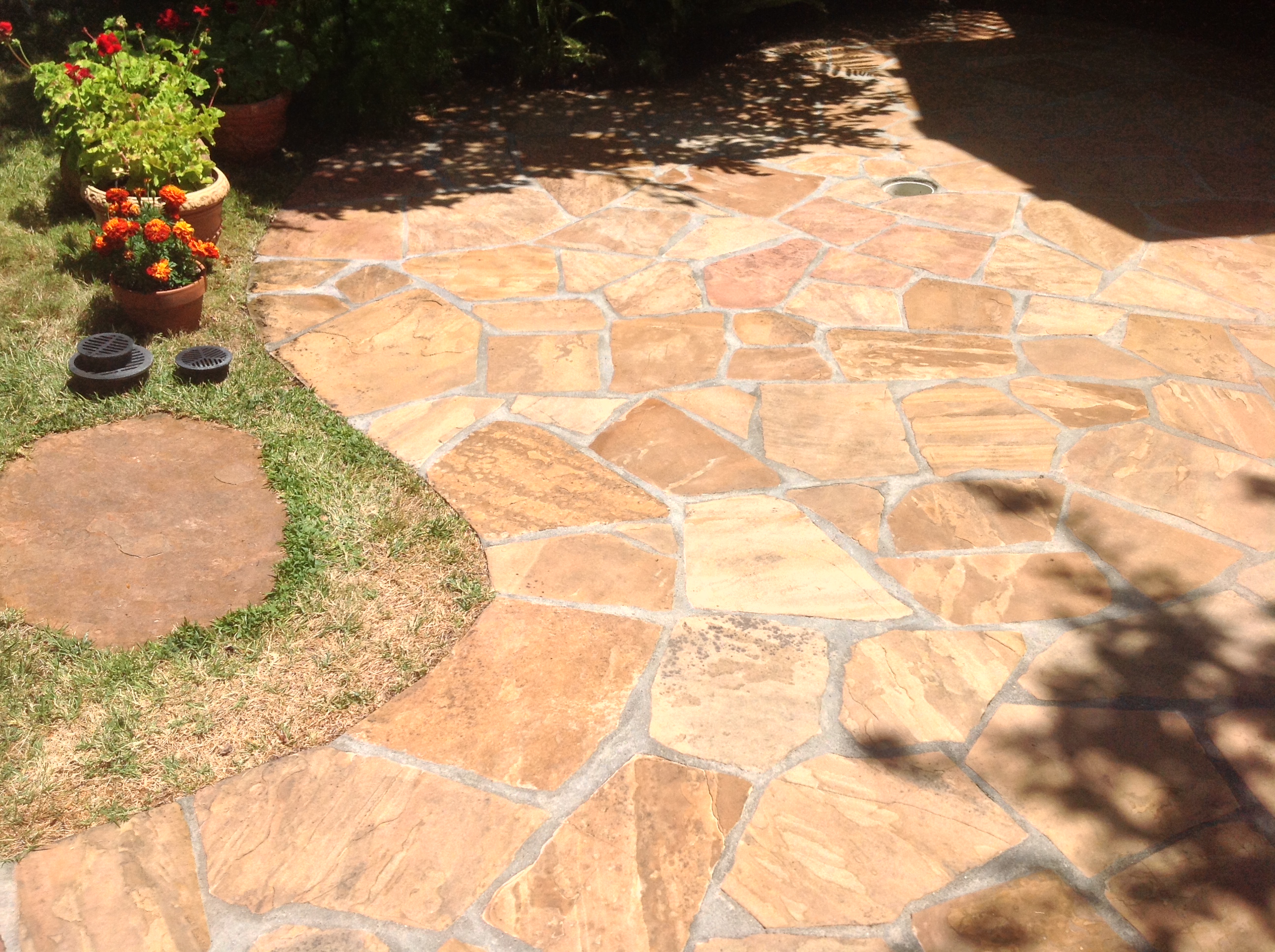
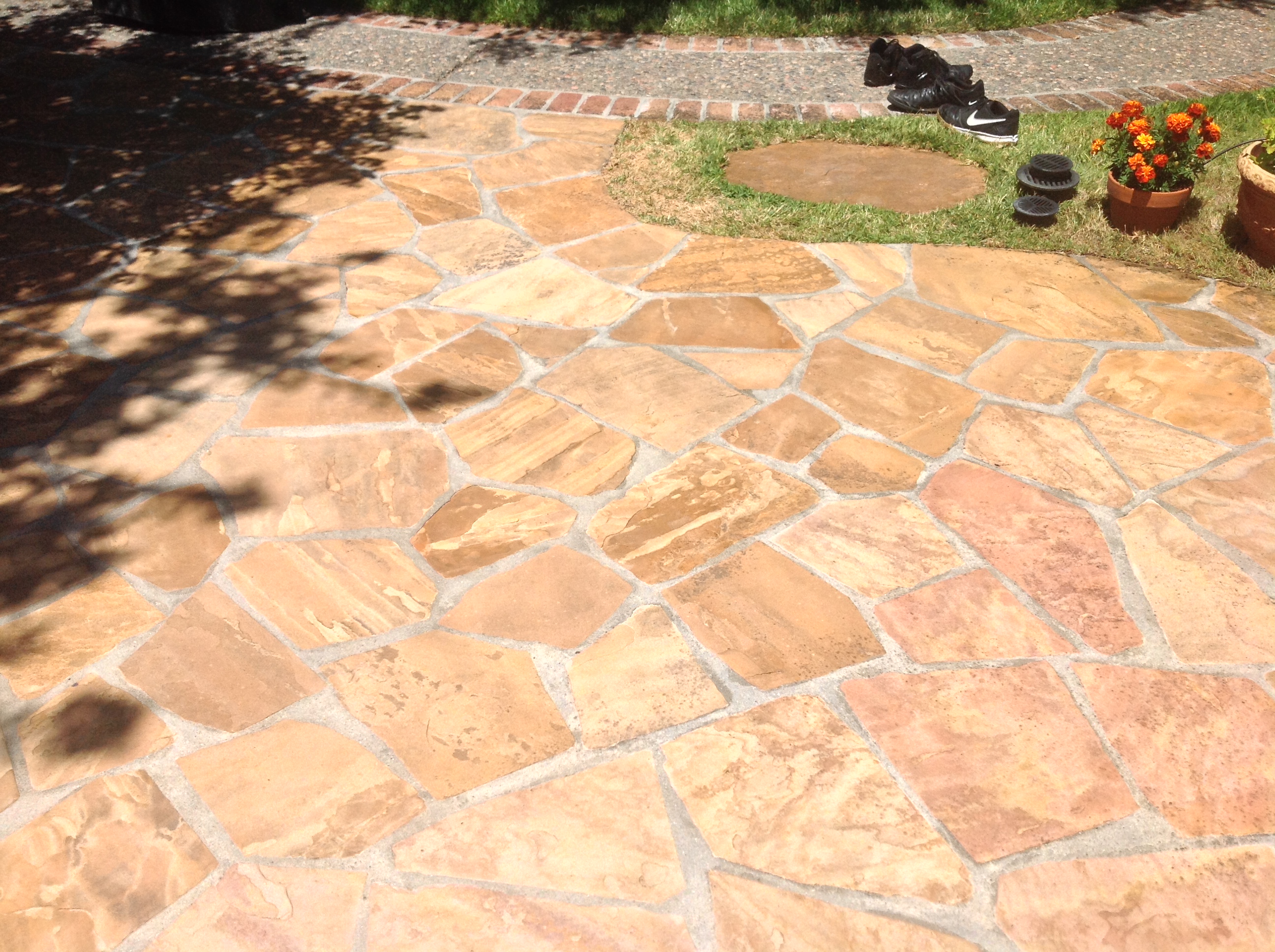
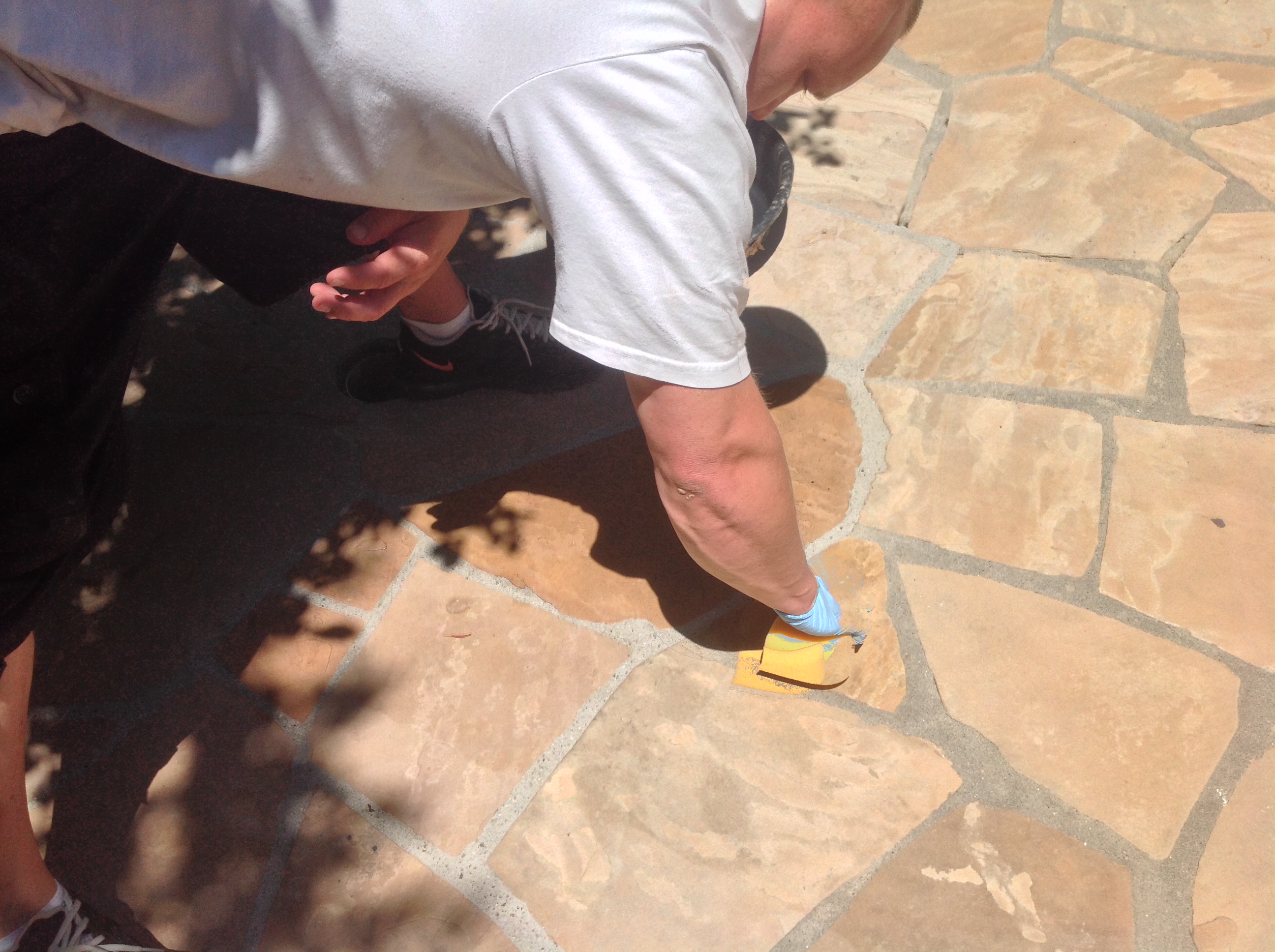
The finished patio looked dramatically different from where we started. Instead of a dark, discolored surface dominated by dirt and organic buildup, the natural variation and rich color of the flagstone became the focal point again.
How to Keep a Restored Flagstone Patio Looking Better
Outdoor stone will always require maintenance because it remains exposed to the environment. Leaves, standing moisture, irrigation, shade, soil, and organic material can all encourage discoloration and biological growth over time.
Keeping debris off the patio, addressing drainage problems, using appropriate cleaning products, and maintaining the sealer when necessary can help reduce the amount of major restoration the stone needs later.
The correct maintenance plan depends on the type of flagstone, the amount of sun and shade, water exposure, traffic, and the specific sealer that was applied.
Flagstone Patio Restoration in San Rafael & Marin County
California Tile Restoration provides professional cleaning, sealer removal, refinishing, and natural stone restoration throughout San Rafael, Marin County, Sonoma County, Napa, and surrounding Bay Area communities.
With more than 23 years of hands-on restoration experience, Fritz Wittmann works directly with flagstone, slate, Saltillo, brick, marble, and other porous tile and stone surfaces. The goal is to restore what you already have whenever possible rather than automatically replacing it. :contentReference[oaicite:1]{index=1}
See additional completed projects in our tile and stone restoration gallery.
Is Your Flagstone Patio Dirty, Moldy, or Discolored?
Old sealer, biological growth, and years of outdoor exposure may be hiding the natural stone underneath.
View Our Stone & Marble Restoration Services
Call Fritz Wittmann at (707) 384-1172
Frequently Asked Questions About Flagstone Patio Restoration
Can a dirty or moldy flagstone patio be restored?
Often yes. If the stone itself is still in serviceable condition, old sealer, dirt, algae, organic buildup, and discoloration can often be addressed through professional cleaning, stripping, refinishing, and resealing.
Does old sealer need to be removed before flagstone is cleaned?
It depends on the condition and type of sealer. If the existing coating is failing, discolored, incompatible, or trapping contamination, removing it may be necessary before the stone can be properly cleaned and refinished.
Is pressure washing safe for flagstone?
It depends on the stone, its condition, the pressure being used, nozzle distance, and the existing finish. Excessive or inconsistent pressure can alter softer surfaces, and too much water can heavily saturate porous stone. The cleaning method should be chosen for the specific patio rather than assuming maximum pressure is always better.
What does a color-enhancing sealer do to flagstone?
A color-enhancing sealer can deepen and enrich the natural colors within flagstone while helping reduce the absorption of moisture and contaminants. It does not make the stone waterproof or eliminate the need for future maintenance.
How often does an outdoor flagstone patio need to be resealed?
There is no single schedule for every patio. Sealer life depends on the type of stone, product used, weather exposure, irrigation, drainage, sunlight, traffic, and maintenance. The surface should be evaluated periodically so protection can be renewed before it deteriorates badly.