

What Is the Best Saltillo Tile Cleaner at Home Depot?
If you're looking for the best Saltillo tile cleaner at Home Depot or another home improvement store, the safest choice for properly sealed Saltillo tile is generally a neutral cleaner. Harsh chemicals such as bleach and ammonia can damage or weaken the existing sealer, while the right neutral cleaner and proper cleaning technique can help maintain your floor without unnecessarily stripping away its protection.
After more than 23 years of hands-on tile restoration experience and over 1,000 paver projects, I've seen what works, what doesn't, and what can turn a simple cleaning problem into a much more expensive restoration project. Let's look at the dos and don'ts of cleaning Saltillo tile so you can protect your floor and know when ordinary cleaning is no longer enough.
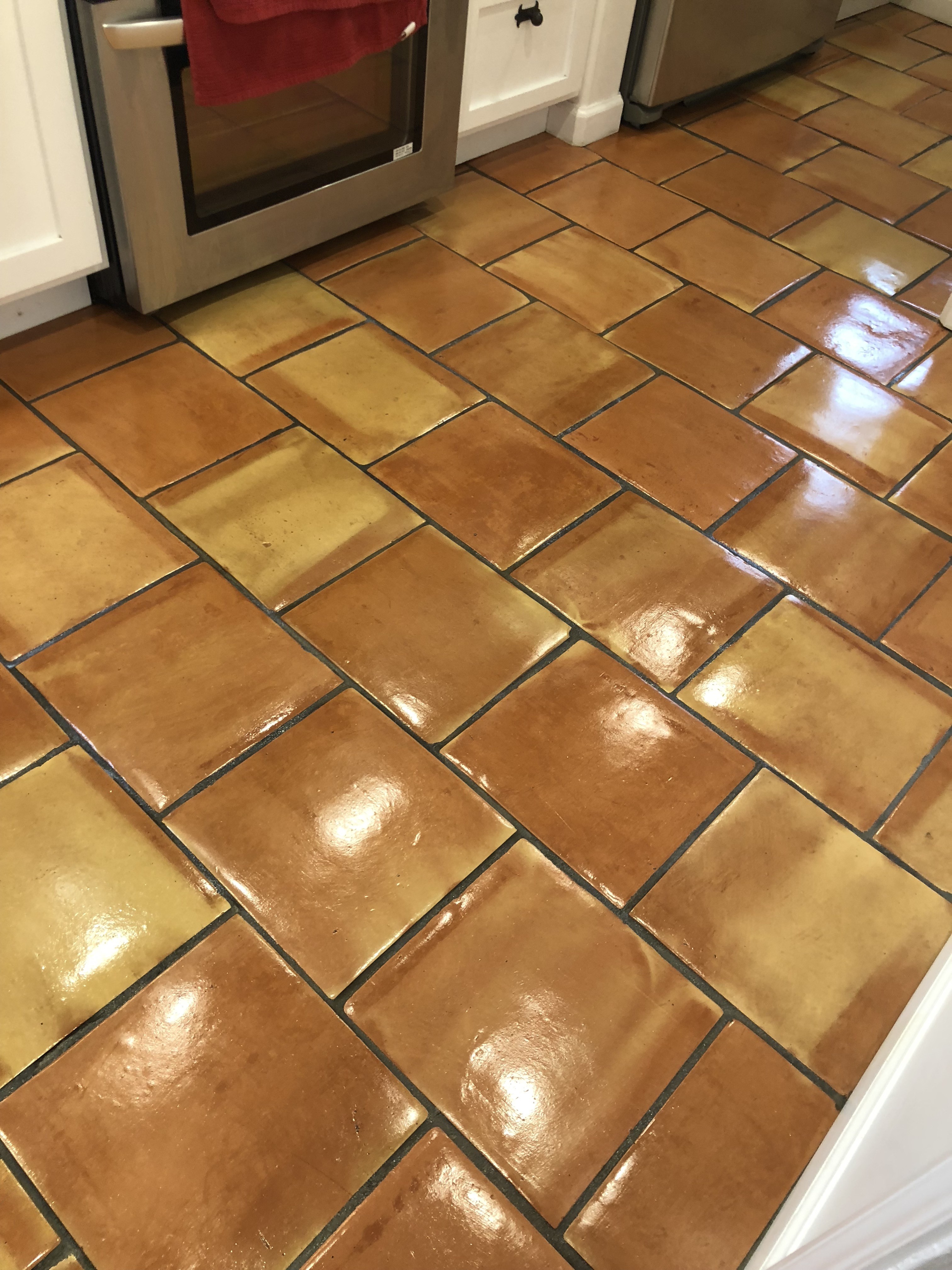
Why Use a Neutral Cleaner on Sealed Saltillo Tile?
A neutral cleaner is generally the best choice for routine cleaning of properly sealed Saltillo tile because it is less likely to attack or weaken the existing sealer than harsher chemicals.
But here's something important that many homeowners miss: cleaning Saltillo tile isn't just about which product you buy. Technique matters just as much as the cleaner. Even the right product won't give you good results if dirty water is allowed to settle into the grout joints or excessive moisture is left sitting on the floor.
Proper Saltillo tile maintenance can help extend the life of the sealer and delay the point when the floor needs professional tile cleaning and sealer stripping.
Should You Use Bleach on Saltillo Tile?
No, I don't recommend using bleach to routinely clean sealed Saltillo tile and grout. Bleach can negatively affect the sealer and is not the right solution for maintaining these porous clay tiles.

Bleach may be great for keeping certain materials bright, but Saltillo tile is different. These are porous clay pavers, and protecting the sealer is a critical part of protecting the tile and grout underneath it.
If you're also considering other common household cleaners, read my guide on why I don't recommend cleaning Saltillo tile with vinegar.
Can You Use Ammonia to Clean Saltillo Tile?
I don't recommend ammonia for routine cleaning of sealed Saltillo tile either. In our restoration work, we actually use ammonia after we've stripped a Saltillo floor because it can help remove the final film left behind by the stripping process.
That's exactly why homeowners need to be careful with it. Ammonia can act as a mild stripper and may unevenly remove or weaken the sealer. That can leave parts of the floor less protected than others and potentially contribute to deterioration where the sealer has been compromised.
Ammonia may be preferable to bleach in some circumstances, but for regular maintenance of a properly sealed Saltillo floor, a neutral cleaner is the better choice.
How to Clean Saltillo Tile Grout Properly
Are you using a mop to clean your Saltillo tile? That's fine for regular maintenance, but here's the problem: over time, dirty mop water can collect in the recessed grout joints. Many homeowners don't notice the grout gradually becoming darker because the change happens slowly.
Here's a technique I've used and recommended for years:
- Use a neutral cleaner according to its instructions.
- Work in manageable sections rather than trying to mop the entire floor at once.
- Change your cleaning water frequently so you aren't spreading dirty water around the floor.
- While the grout is wet, gently scrub it with an appropriate brass-bristled detail brush.
- Wipe away the lifted dirt and cleaning solution with clean rags or terry cloths.
- Buff the floor dry rather than leaving excess moisture sitting on the tile and grout.
If the Saltillo tile and grout were sealed correctly from the beginning, much of the accumulated dirt should be sitting on the protective sealer rather than penetrating deeply into the raw tile or grout.
Use Brass Bristles, Not Steel
Do not use a steel-tipped brush on Saltillo tile or grout. Steel bristles can leave gray or silver marks and may damage the tile surface. Saltillo is durable in many ways, but it is still a porous clay material that needs to be treated carefully.
When using a suitable brass-bristled detail brush, scrub the grout while it is wet so the loosened dirt remains suspended in the cleaning solution and can be wiped away.
Why Proper Sealing Makes Saltillo Tile Easier to Clean
Keeping Saltillo tile properly sealed is one of the most important parts of making the floor easier to maintain. Without adequate protection, dirt and moisture can penetrate the porous clay and grout, making future cleaning much more difficult.
I've seen exterior Saltillo tiles where mold had grown so deeply into the porous material that you could break a tile in half and see black discoloration running through it.
That's why the right Saltillo tile sealing and polishing process matters. The goal is to protect the tile and grout so normal wear, dirt, and minor scratches affect the protective finish rather than immediately damaging the raw paver underneath.
What If Your Saltillo Tile Still Won't Come Clean?
If you've used the right cleaner, scrubbed the grout, changed your water frequently, and your Saltillo floor still looks dirty, the problem may no longer be ordinary surface dirt. Dirt can become embedded in old, deteriorated sealer, making the floor appear permanently dirty no matter how much you mop or scrub.
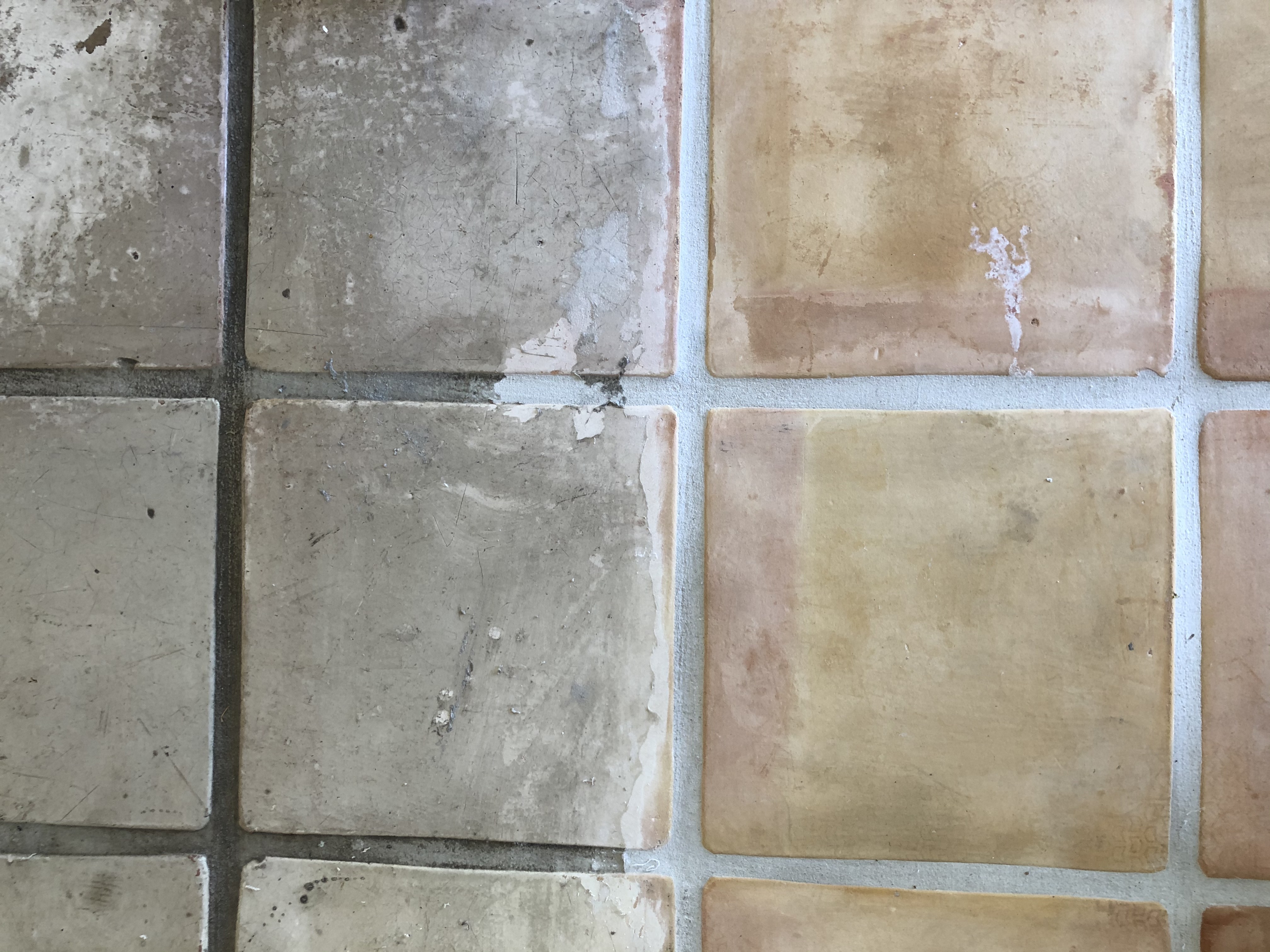
At that point, the solution may be to completely remove the old sealer, clean and detail the raw tile and grout, allow the floor to dry properly, and then apply a new protective sealing system.
For a deeper explanation, see why cleaning Saltillo tile sometimes stops working altogether.
Why I Don't Recommend Machines or Sanding for Saltillo Tile Restoration
Saltillo restoration requires detail. That's why our restoration work is performed by hand, on hands and knees, rather than relying on machines that can't properly reach grout joints, corners, edges, underneath cabinets, behind toilets, and other difficult areas.
Be especially careful with sanding and excessive water. Saltillo is porous, and these tiles can take a long time to dry. Once the surface has been sanded, the drying process can become even more difficult before new sealer can safely be applied.
I've had to deal with the results of bad restoration advice many times. You can learn more in my article about three horrible Mexican tile restoration and cleaning tips to avoid.

How Do I Know If My Saltillo Tile Needs Refinishing?
Your Saltillo floor may need professional restoration or refinishing if you notice:
- The tile and grout no longer come clean despite proper cleaning.
- The sealer is flaking, peeling, or missing in areas.
- Some tiles are beginning to deteriorate.
- The floor is turning white, hazy, or cloudy.
- Dirt appears permanently embedded beneath or within the old finish.
These are signs that ordinary maintenance may no longer be enough and that the existing coating may need to be removed before the tile can be properly cleaned and resealed.
Watch the video below to see how to determine whether your Saltillo tile needs refinishing or whether proper cleaning may still do the trick.
3 Saltillo Tile Cleaning Secrets From More Than 23 Years of Experience
- Clean the floor in sections and change the water often. Dirty mop water can settle into grout joints and contribute to buildup over time.
- Buff the floor dry. Don't leave excessive water sitting on the tile and grout. Think of cleaning glass: the best result comes when you finish by buffing it dry.
- Pay special attention to the grout. An appropriate brass-bristled detail brush can help remove accumulated dirt from grout joints, but avoid steel bristles that may mark or damage the surface.
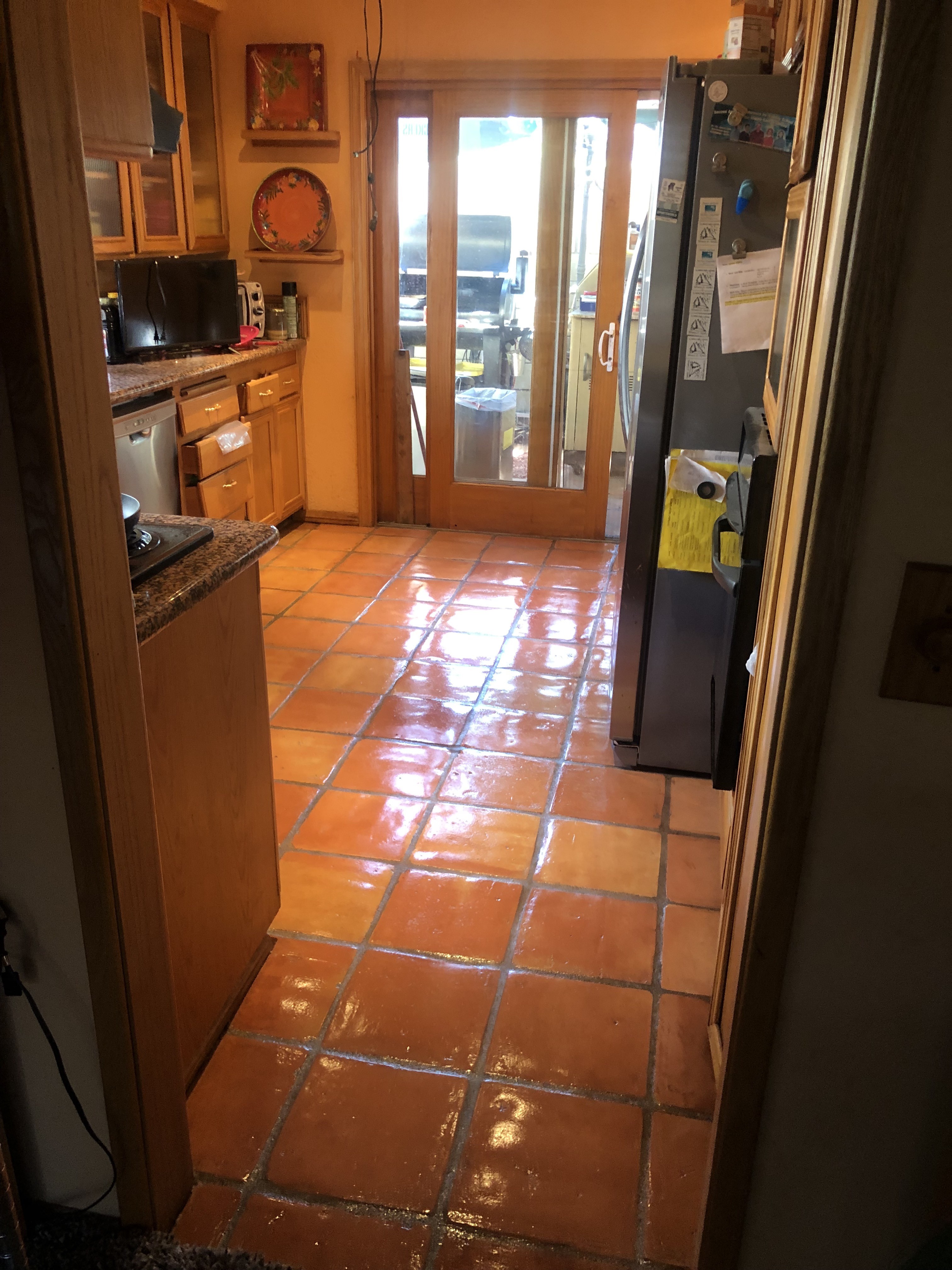
So, What Is the Best Saltillo Tile Cleaner at Home Depot?
For routine maintenance of properly sealed Saltillo tile, look for a neutral cleaner designed for use on sealed tile or stone surfaces. Avoid assuming that a stronger chemical will give you a better result. With Saltillo tile, harsh cleaners can compromise the sealer you're trying to protect.
Just as important as the cleaner itself is your technique: work in sections, change dirty water frequently, pay attention to the grout joints, and buff the floor dry when you're finished.
If your floor still looks dirty after proper cleaning, don't keep escalating to stronger chemicals. The real problem may be deteriorated or contaminated sealer that needs to be professionally removed.
Need Help Restoring Saltillo Tile in Northern California?
California Tile Restoration provides professional Saltillo and Mexican paver cleaning, sealer stripping, restoration, staining, sealing, and polishing throughout Northern California, including the Bay Area, Marin County, Sonoma County, Napa County, San Rafael, and surrounding communities.
With more than 23 years of hands-on experience and over 1,000 paver projects completed, Fritz Wittmann specializes in the detailed restoration of Saltillo, terracotta, Mexican pavers, and other tile and stone surfaces.
Explore our complete tile restoration services or call (707) 384-1172 to discuss your floor and determine whether it needs better maintenance, sealer removal, or complete restoration.
Frequently Asked Questions About Saltillo Tile Cleaners
What is the best cleaner for sealed Saltillo tile?
A neutral cleaner is generally the best choice for routine maintenance of properly sealed Saltillo tile because it is less likely to weaken or damage the existing sealer than harsh chemicals such as bleach or ammonia.
Can I use bleach to clean Saltillo tile?
Bleach is not recommended for routine cleaning of sealed Saltillo tile because it can negatively affect the protective sealer. A neutral cleaner and proper cleaning technique are safer choices for regular maintenance.
Can I use ammonia on Saltillo tile?
Ammonia can act as a mild stripper and may unevenly weaken or remove the sealer from Saltillo tile. California Tile Restoration uses ammonia during specific stages of professional restoration after stripping, but it is not recommended for routine cleaning of a sealed floor.
Why does my Saltillo tile still look dirty after cleaning?
If proper cleaning no longer improves the appearance of the floor, dirt may be embedded in old or deteriorated sealer. In that situation, the old coating may need to be completely removed before the tile and grout can be cleaned and resealed.
How do I know when Saltillo tile needs refinishing?
Common signs include tile or grout that no longer comes clean, flaking or missing sealer, white or cloudy areas, deterioration, and dirt that appears permanently trapped in the existing finish.
I am a homeowner on a budget and wish to strip the sealer off our Saltillo tile. Which stripper product would you recommend? I have watched your videos and the product name is never mentioned. We have approximately 3000 sf of tile that I intend to tackle myself. Thanks for any information you can pass along.